

PROGRAM PARTICIPANTS
Below are the teachers who participated in the 2019 Women in Agri-tech Program. As a part of the program, each teacher developed a learning module to build aspirations and knowledge of female students in the agri-tech industry.
Interested in using the modules? Complete the form at the bottom of this page and we'll be in touch with access to the modules.
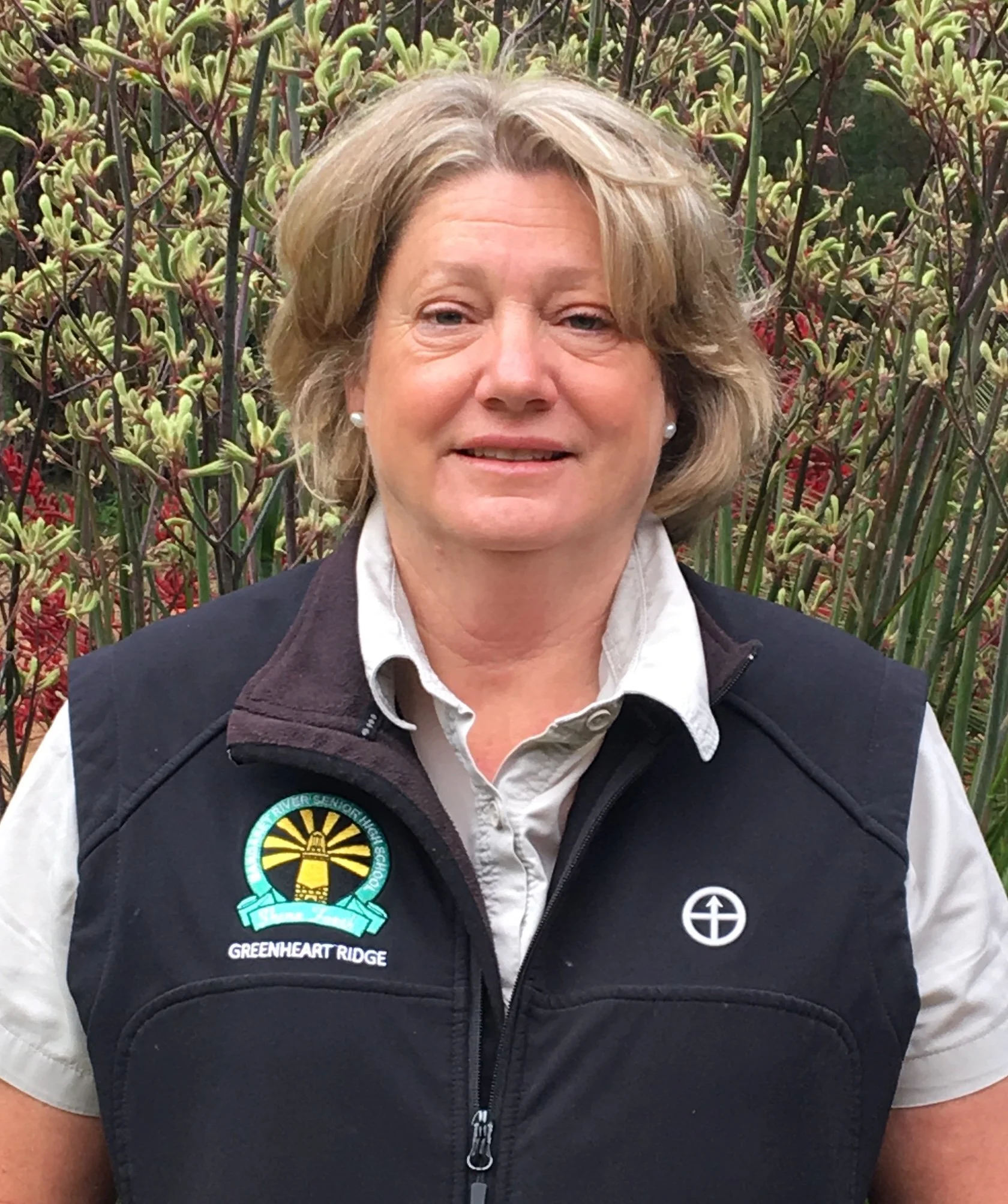
BELINDA HOWSE
-
Belinda Howse says she fell in love with agriculture during her first job as a lab/field assistant with CSIRO, Animal Production. This work led Ms Howse to working for 12 years with Department of Agriculture in Entomology, based out of South Perth and the Ord River Project in Kununurra. She has now been at Margaret River Senior High School for the past seventeen years teaching Food Science and Technology and, more recently, Agriculture. Ms Howse’s students have opportunities to work with livestock, horticulture, viticulture, bees, aquaponics and hydroponics. Ms Howse says that she believes the integration of contemporary technologies into learning programs will ensure students and rural communities will have the tools to continue to lead the sustainable production of quality food and fibre consumers desire.
Geo-locating bees using tablets/mobile phones
Students will learn how to use a geo-location app to identify and map insects. The app was developed by DPIRD WA (Dept Primary Industry, Research and Development for Western Australia) to assist in biosecurity. Students will build a native bee hotel and learn to identify native bees using the App. Students will also attach a bar code to their hotel to scan using the App so we can locate all hotels on Google Maps.
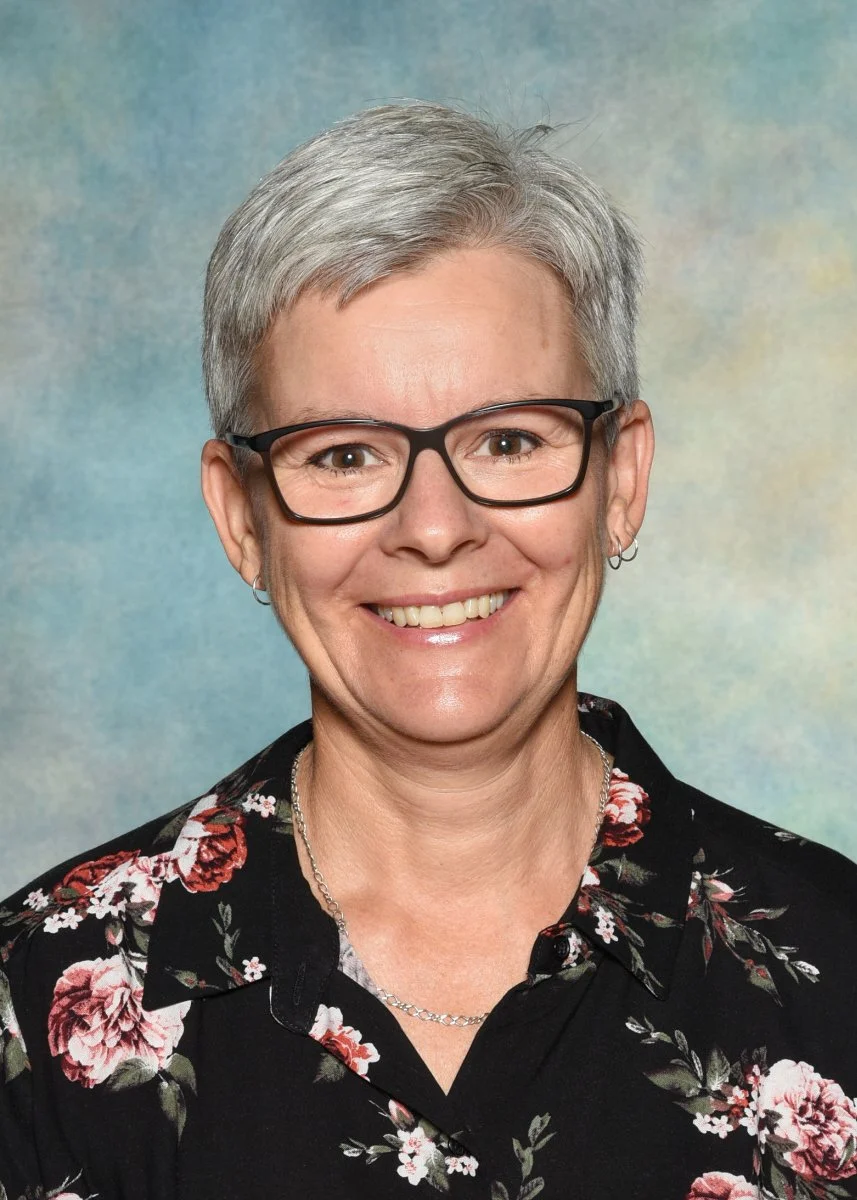
SUE PRATT
-
Sue Pratt has been involved in agriculture for as long as she can remember, so it was a natural fit for her to evolve from teaching Biology and Special Education into being an Agriculture teacher. Ms Pratt teaches at Balaklava High School in South Australia and is currently President of ATASA – the Agricultural Teacher’s Association of South Australia. Through this role, she has works with Agricultural teachers from all over the state. Ms Pratt says she and her fellow ATASA members are eager to keep improving and add to their repertoire and enthusiastically embrace new ideas and resources.
Using Soil Moisture Probes
Students will understand how farmers can use soil moisture data to support decision making in their business. They will learn more about soil, how to test and analyse soil moisture, including using soil moisture probes.
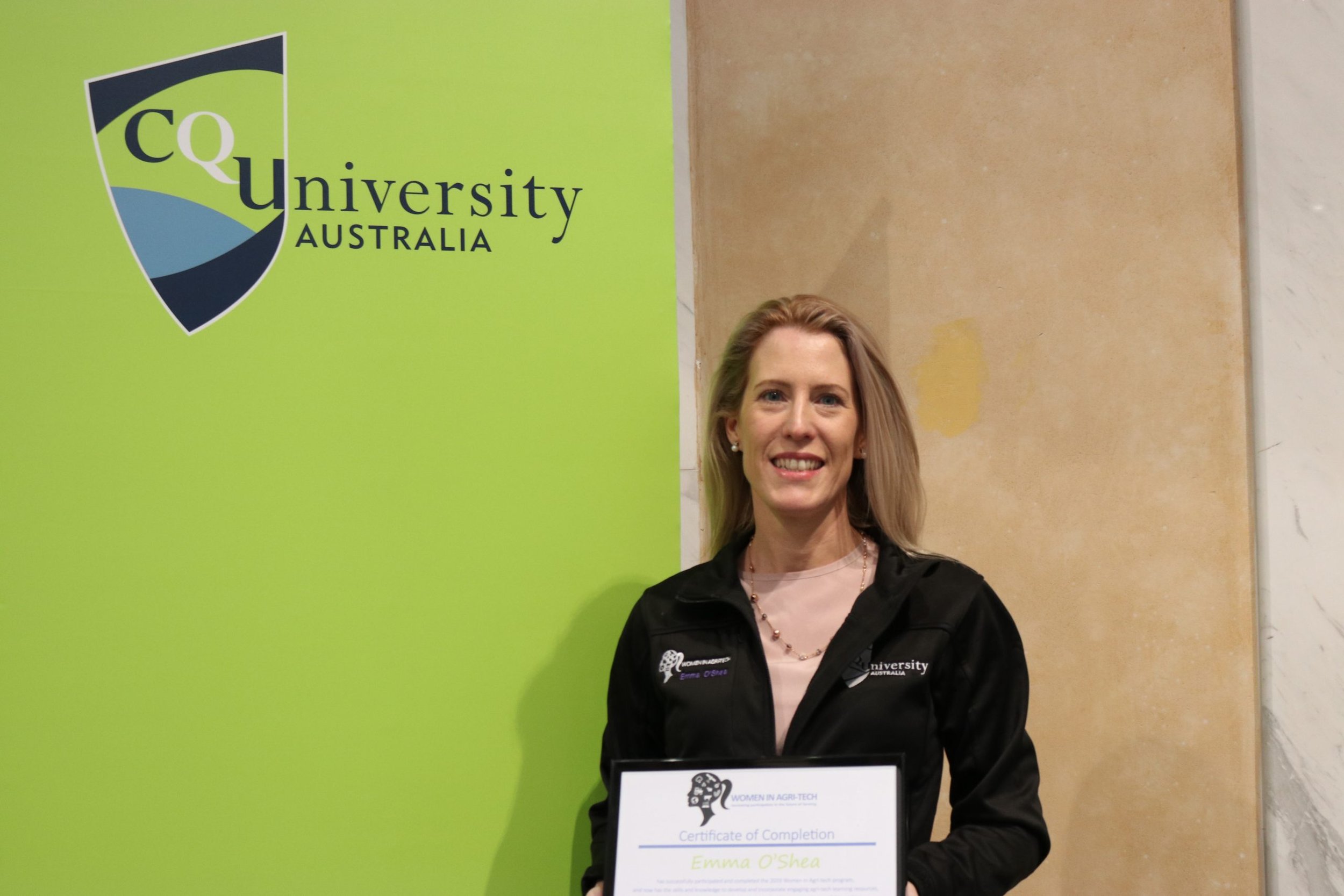
EMMA O’SHEA
-
Emma O’Shea grew up on a hydroponic strawberry farm in Bundaberg, Queensland. After completing a Bachelor of Applied Science at the University of Queensland, Ms O’Shae lived and worked on various properties with her husband in central and southern Queensland. She then attained a Graduate Diploma of Teaching, and has taught Maths & Science in various capacities ever since. Ms O’Shae moved to Lutheran College in Plainland in 2013 and found a demand for an Agricultural program, so worked on creating initially junior, then senior units for her students. She says the biggest hurdle was turning the bare hillside into the now flourishing FLC Farm. Ms O’Shae says she is interested in finding new ways in which technology can be incorporated to increase efficiency within agricultural systems and in giving students the opportunity to experience these advancements first hand.
Developments in Agricultural Technologies – Farmbrite
Students will be introduced to a variety of technologies used in livestock production including a farm management software, Farmbrite. Students will be assigned tasks to complete, learn how to input livestock, equipment and financial data into FarmBrite and evaluate how technology can be used to improve management decisions on farm.
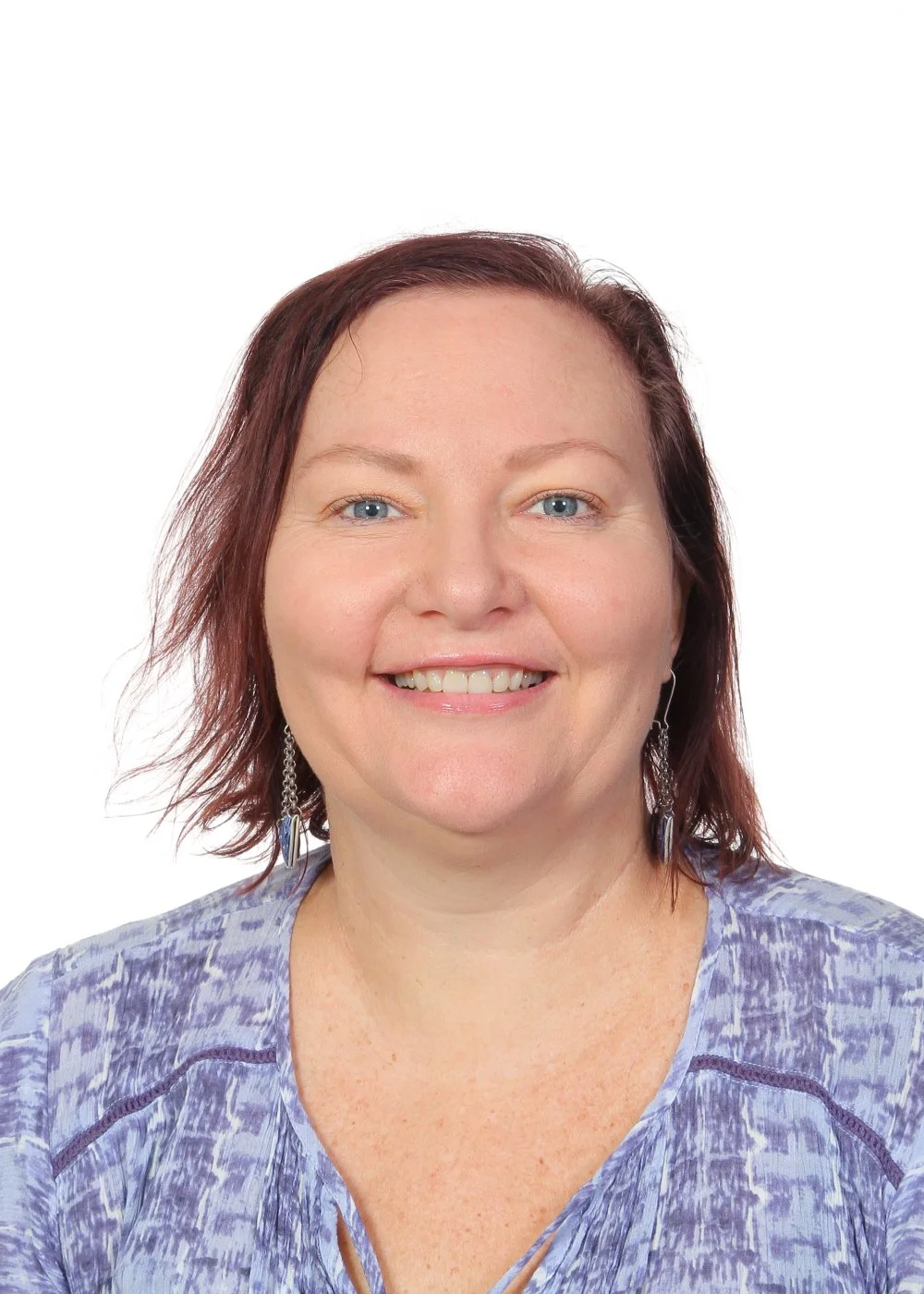
KELLY SOENARIO
-
Kelly Soenario completed a Bachelor of Science in Australian Environmental Studies with majors in Ecology and Environmental Planning, as well as a Graduate Diploma in Teaching and Learning. Ms Soenario teaches Junior Science and Senior Earth and Environmental Science at Trinity Bay State High School in Cairns, northern Queensland. She enjoys using drones and has used them with her students, most recently on Orpheus Island with a Marine science class who were mapping mangrove distribution and tracking sharks.
Mapping with DataFarming
Students will understand how satellite imagery can be used to map farms and how DataFarming can be used to determine health of crops. They will then analyse the relationship between crop health and soil quality.
MELANIE CAMPBELL
-
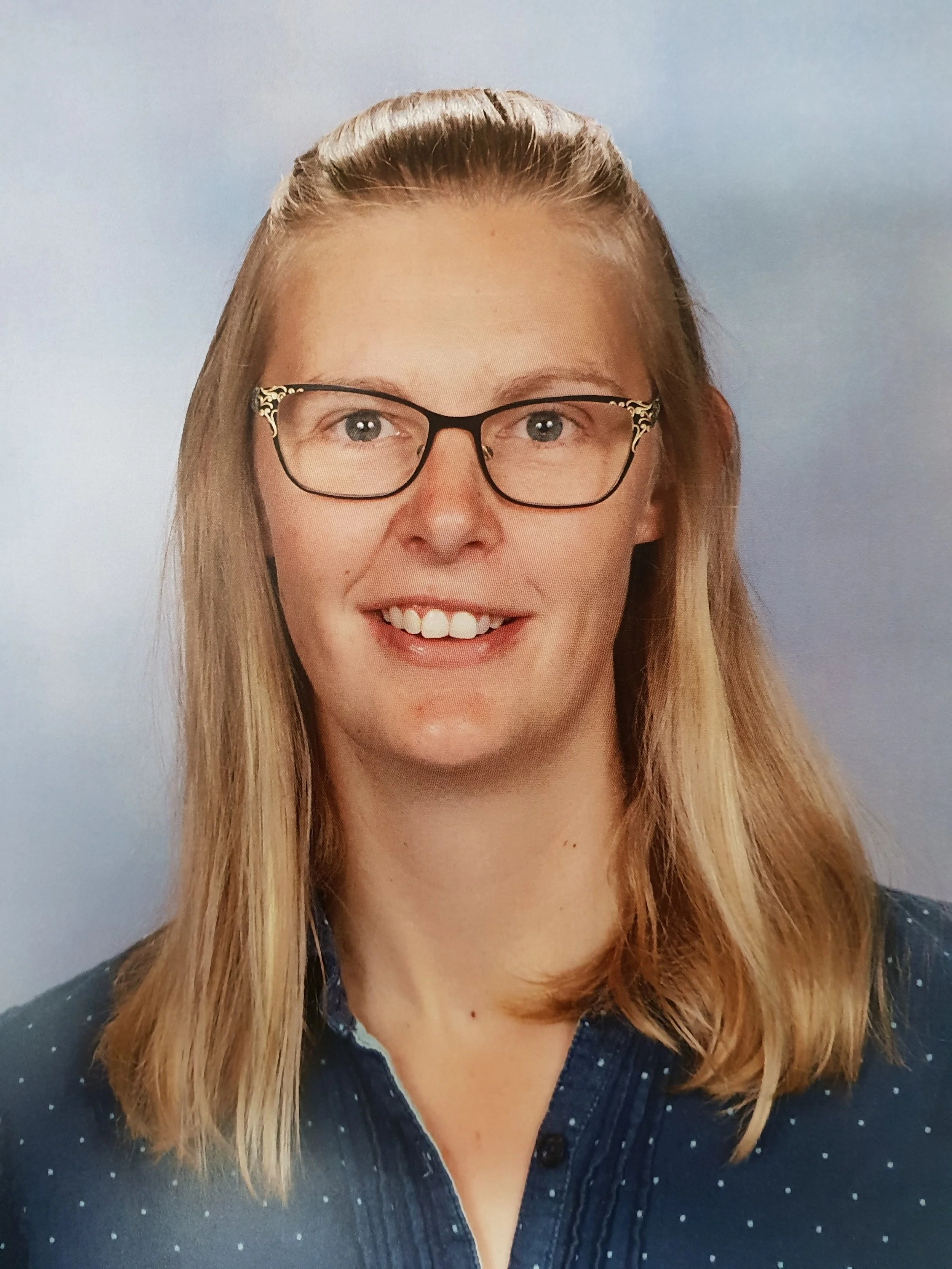
Melanie Campbell has an educational background in Technology and Applied Studies with a major in Agriculture. Ms Campbell has taught in a variety of locations across New South Wales including regional, rural and remote schools and is currently based at Orange High School, a large regional school. She says she is interested in opportunities to investigate innovations which will allow greater exposure for students to the world of agri-tech.
Using ‘Ask Bill’ to make on-farm decisions
Students will learn how to collect data, input information and utilise AskBill, a web-based software to look at sheep wellbeing and productivity to make better informed management decisions.
NICOLE CURREY
-
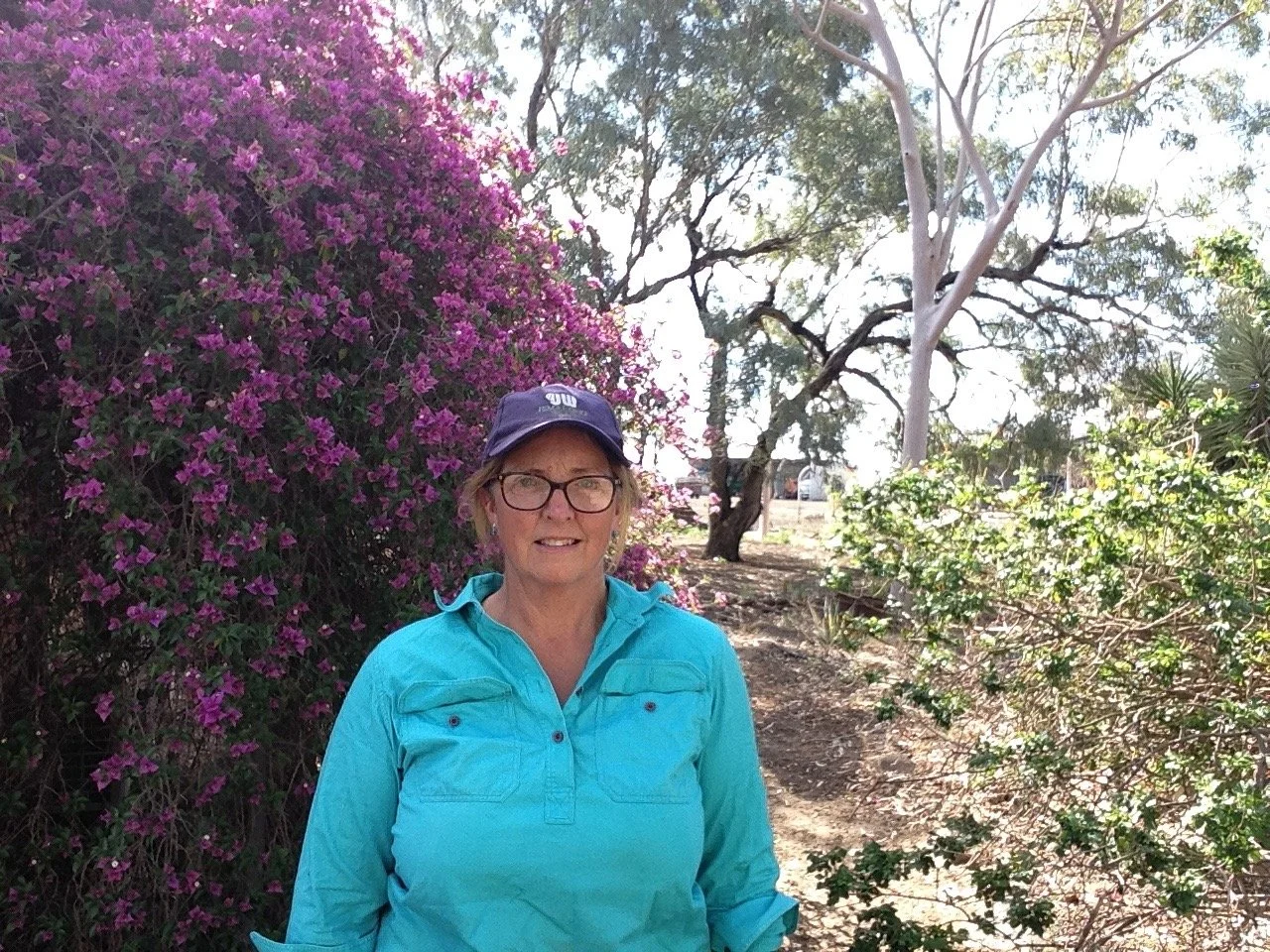
Nicolle Currey teaches Agriculture, Science and STEM at Lightning Ridge Central School. She also operates a self-replacing merino flock and, when the seasons allow, she grows crops and runs cattle. Ms Currey has been integral in the reintroduction of Agriculture as an elective at her school and has been promoting the subject among students and developing engaging and practical units.
Drone Technology in Agriculture
The secondary school environment is an ideal way to promote and develop programs across the curriculum to foster aspirations amongst students in agricultural careers needing drone technicians and pilots. The purpose of this unit is to give students a taste of how UAV’s can be used in a real-life, local agricultural setting. Although the example here is based on the biological control of Hudson Pear (Cylindropuntia rosea), a weed of significance in our local area using Cochineal (Dactylopius tomentosus). Most schools will be able to identify a weed of national or local significance relevant to their area that this unit can be similarly applied to.
SAMANTHA JARRETT
-
After finishing a university degree focused on environmental sciences, Samantha Jarrett began her career as a science teacher. Three months into the job, she was asked to take over management of the school farm and says that’s when she fell in love with the subject of Agriculture. For the past ten years, Ms Jarrett has been teaching Agriculture at Mount View High School in the Hunter Valley, NSW and has built the department from two elective Stage 5 classes up to four, as well as four Stage 6 classes, including VET Primary Industries. Ms Jarret says she has spent the last decade building her knowledge and skills and taking on training in the many different areas that make up this subject. Ms Jarrett says she hopes to develop more STEM and entrepreneurship skills in her students as well as inspire and build interest in the next generation of female agricultural leaders.
Radio Frequency Identification (RFID) or Electronic Identification (eID) for Livestock Management
Students will gain an insight into radio frequency identification (RFID) and other associated technologies that are enhancing the sustainability and productivity of livestock production in Australia and the world. The module will provide students with background knowledge and the skills to use industry-based technology to safely collect and analyse data to measure the performance of an enterprise. Sample data has been included for schools that do not have access to RFID scanners or livestock to collect first hand data.
ANNE FRAZER
-
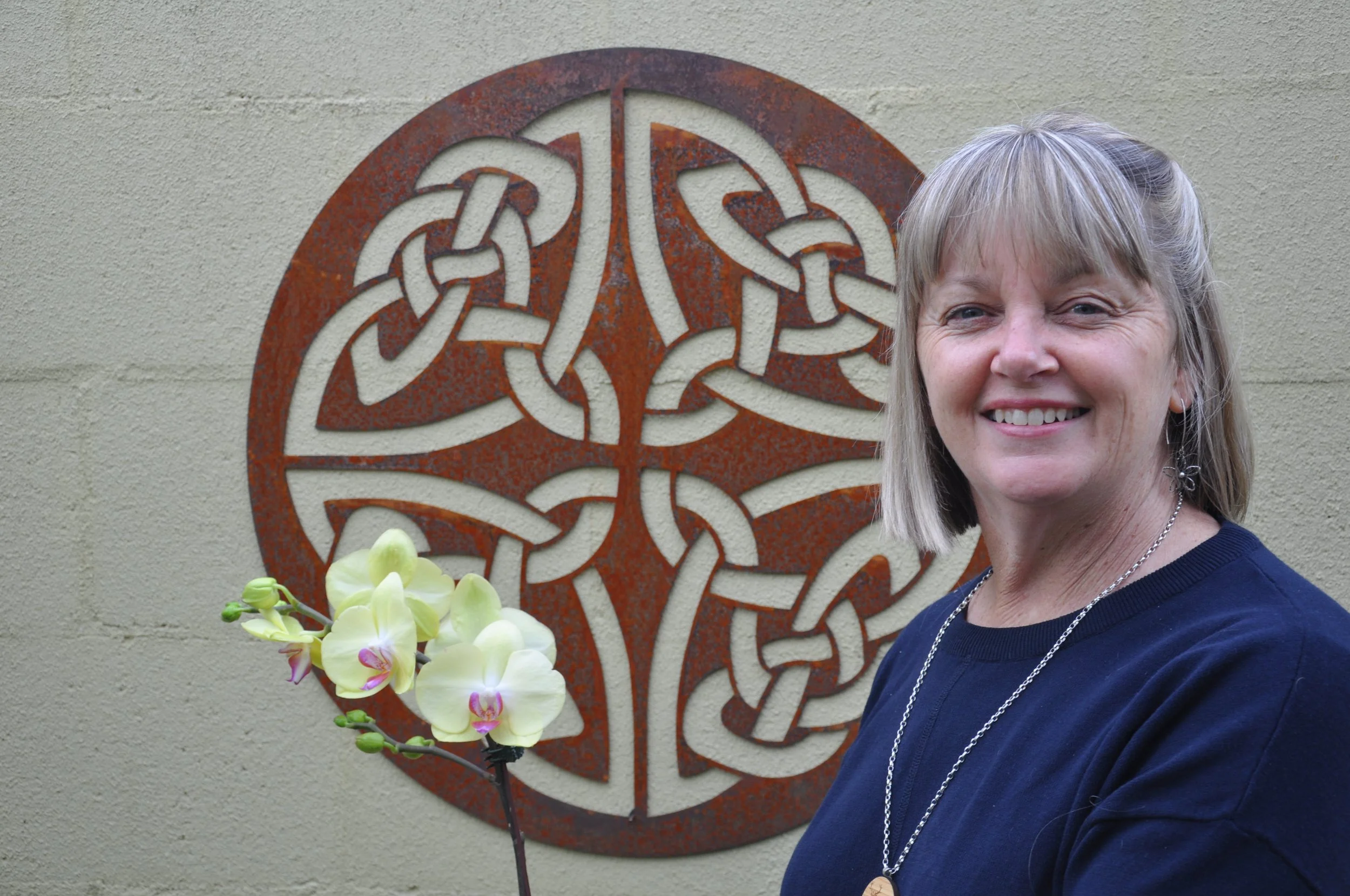
Anne Frazer began her working life in Pharmacy but was eventually drawn to teaching. Ms Frazer completed her P-12 teaching degree (Science and Chemistry) at Deakin University which then led her to working at a metropolitan primary school. She then moved to Timboon P-12 in rural Victoria completed her Masters and began teaching secondary science, coding and VCAL maths. Ms Frazer is also the STEM coordinator at Timboon P-12 and says she hopes to continue to explore STEM and Agriculture and encourage the young women of the future into Agri-tech careers.
Using weather data in agriculture
Weather data is now readily available through a variety of apps and websites. This unit explores the different ways weather data is accessed and used in different businesses related to Agriculture.
NONI GABB
-
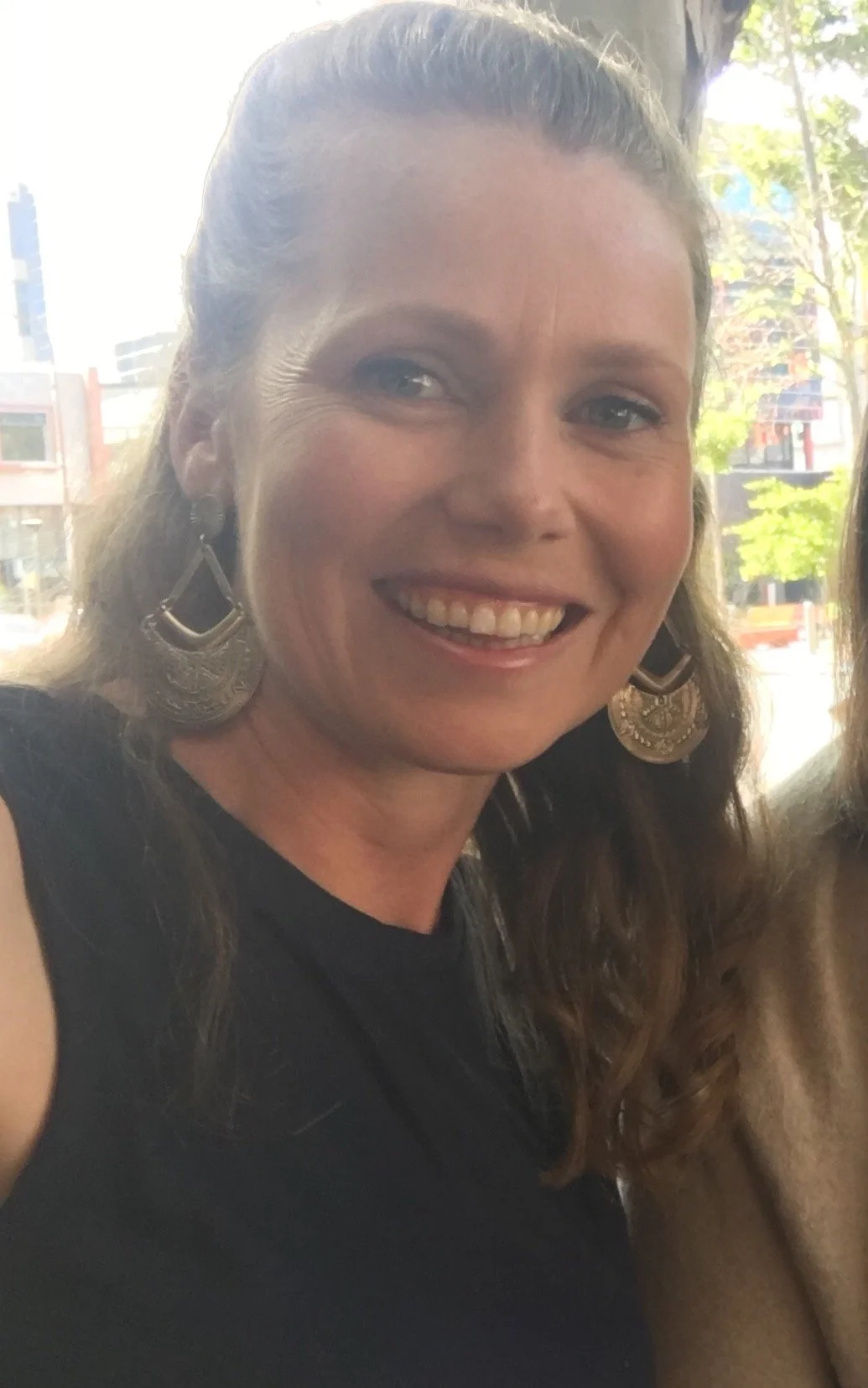
Noni Gabb teaches Year 11 Agriculture/Horticulture at Ballarat Grammar School in Victoria. Ms Gabb grew up as the fifth generation on the family’s sheep and cropping property in western Victoria. After finishing school, she worked as a jillaroo on sheep and cattle stations. Ms Gabb began her studies with a dual degree in Arts/Science at the University of New England, majoring in Crop and Animal Science. From university she worked for Rice Research Australia before returning as an external student to UNE to complete her Master of Teaching. Ms Gabb is involved in the management of the Ballarat school farm, which is home to a Lowline Cattle stud and Corriedale Sheep stud. Ms Gabb says she aims to engage her students’ interest in agriculture by helping to further develop their passion for the industry.
Using NDVI data to develop zone transections for soil testing
Students will understand how new and emerging technology can be utilized to minimize costs whilst still gathering accurate and reliable soil information. By using the program DataFarming students will learn about NDVI data and how it can be utilized to develop zone transections for soil testing, thereby reducing the high costs associated with traditional grid soil testing. They will use the program to develop 3 zone transections, then use the Map 3D app to plot where the individual soil cores were taken from. From the subsequent soil test results students will be required to propose management decisions for the specific paddock.
SHONA JANKY
-
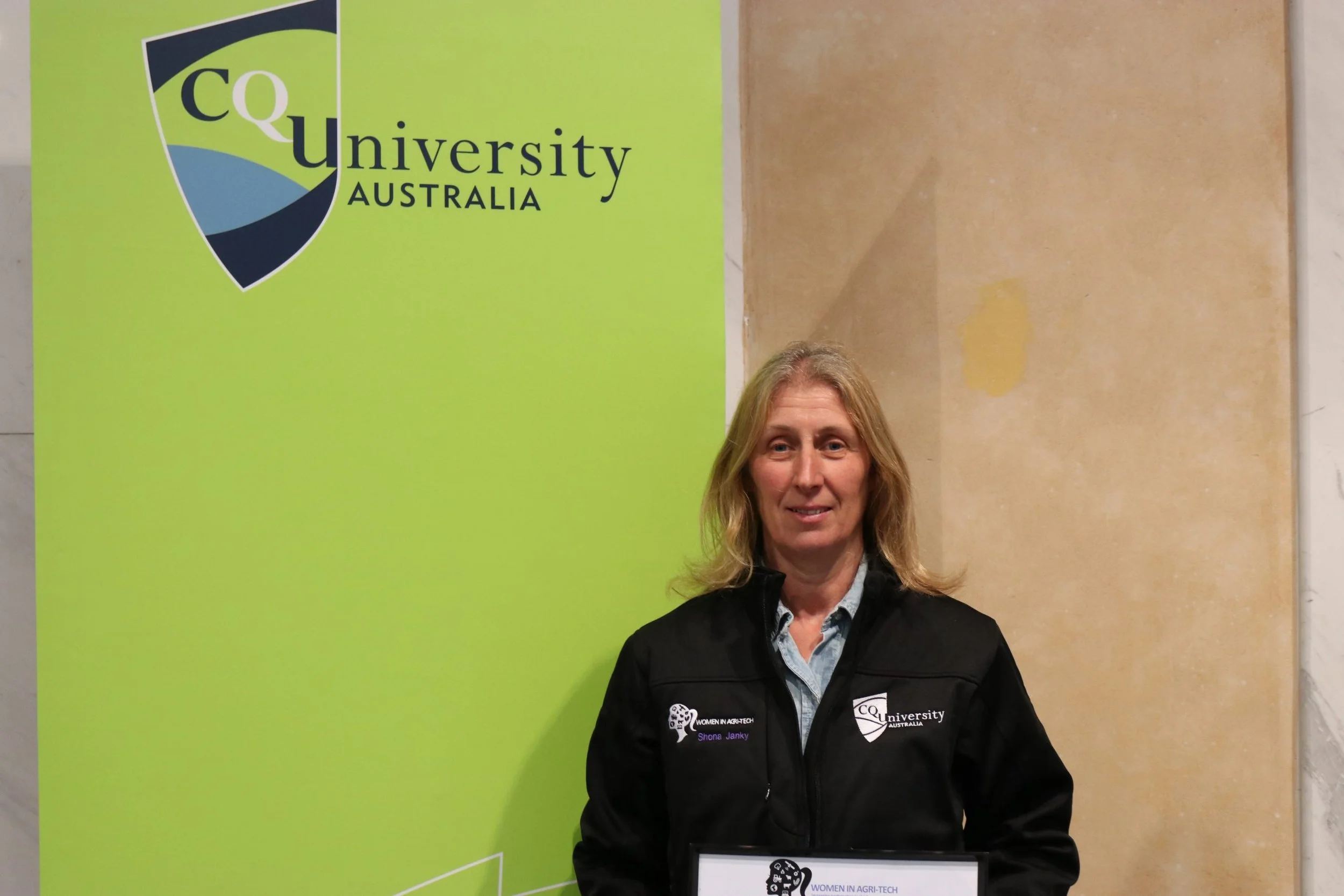
Shona Janky teaches Science and Agriculture and Horticulture, and manages the 15-acre school farm, at Woodleigh School situated in the Mornington Peninsula, Victoria. Ms Janky has attained a Bachelor of Science from Monash University, Graduate Diploma in Management, a Master of Enterprise Innovation and a Post Graduate Degree in Secondary Education. Ms Janky has worked in medical research, marketing and secondary teaching. She says she hopes to continue networking with those leading the way in today’s technological world and inspiring young women to find their passion in a field of Science.
Using technology to track livestock
NATASHA BURROWS
-
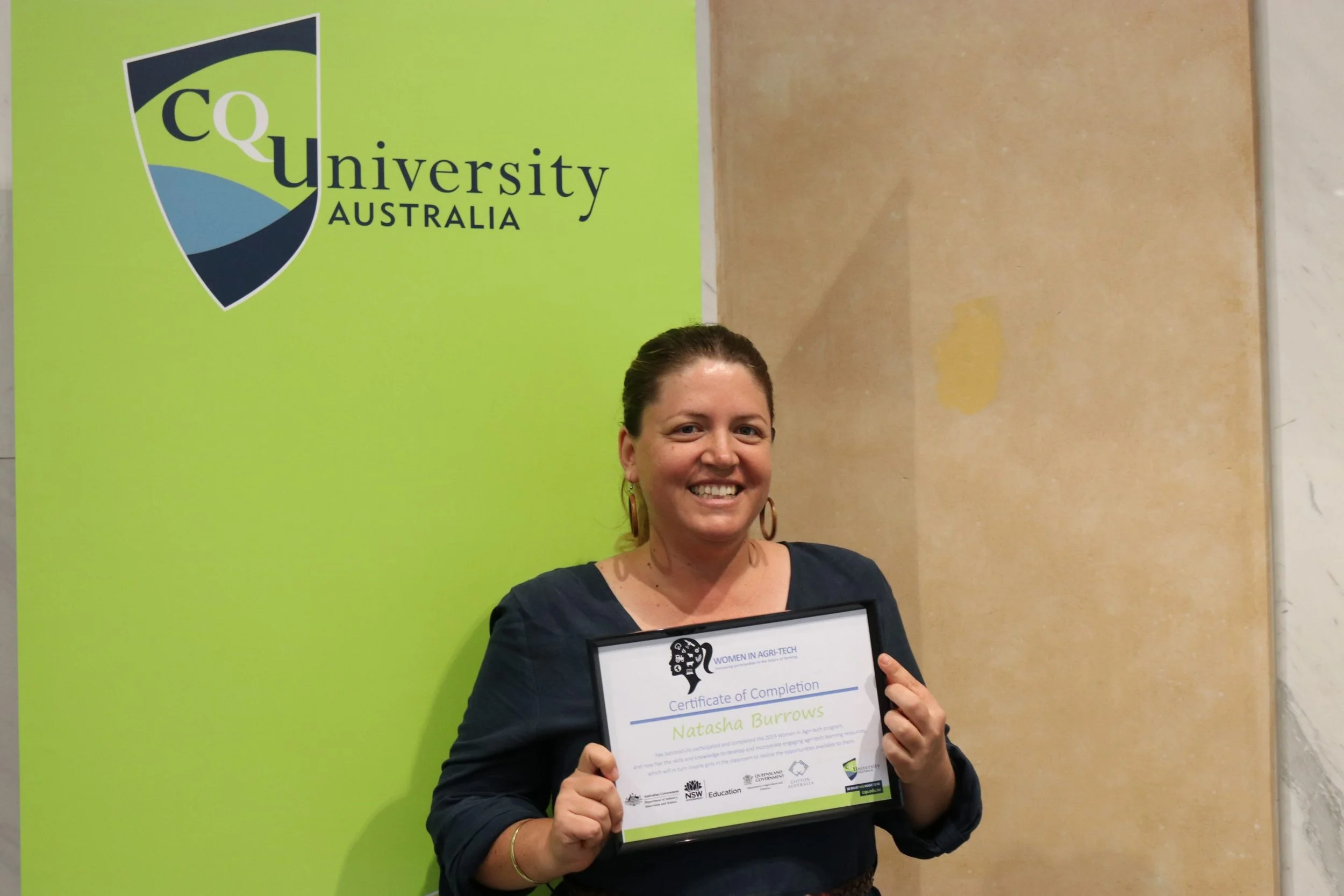
Natasha Burrows currently teaches middle years Agriculture and Science at Taminmin College, a 7-12 school situated in the rural outskirts of Darwin, Northern Territory. Ms Burrows began her working life as an Entomologist, helping primary producers manage pest insects and plants. She then undertook more study to receive a Graduate Diploma in Education and when she saw an advertisement for a position as the Agricultural Teacher at her local high school, Ms Burrow’s says she couldn’t resist making the change.
Managing mangoes
Students are introduced to the biology and physiology of mangoes to understand the management of the school’s mango orchard to optimize production. Students will use technologies like CyberTracker and Microsoft Forms to assess trees and measure the impact of trimming.
KEELEY LESTER
-
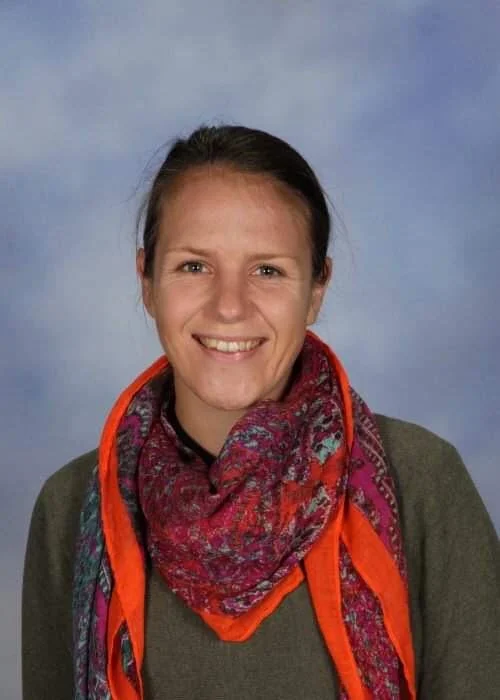
Keeley Lester is a general classroom and agriculture teacher at Winnaleah District High School in far North-East Tasmania. Ms Lester comes from a farming background, growing up on her family’s dairy farm, also located in Tasmania. Agriculture has always been a passion of Ms Lester’s and something she says she’s been happy to blend with her love of teaching.
Understanding Precision Pasture Management
Students will understand how a variety of technologies such as satellite imagery are used in pasture management systems. Students will identify and use mathematical concepts related to pasture measurement practices and make informed decisions about measurement technologies. They will also learn how to read satellite mapping and use the program Pasture.IO.
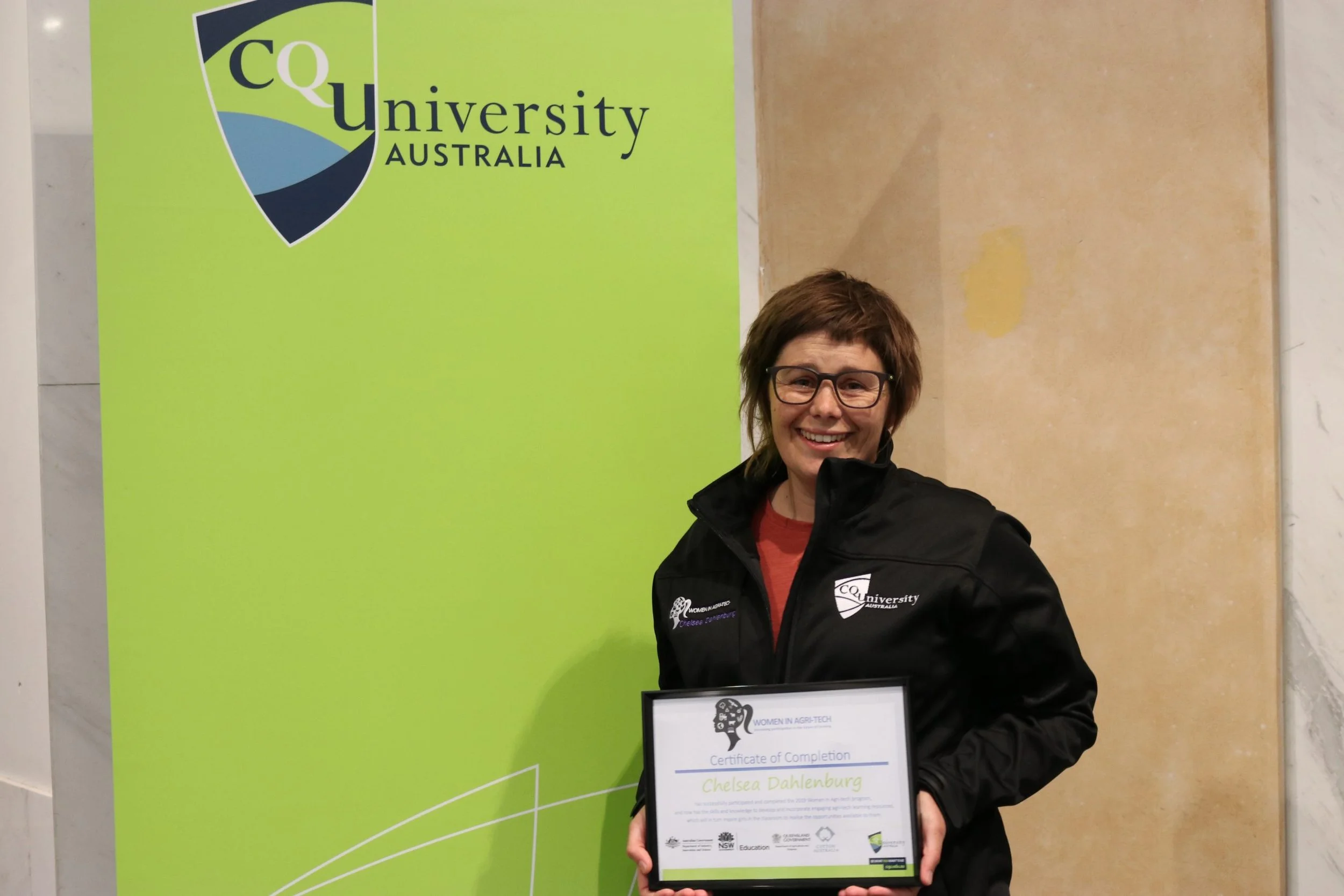
CHELSEA DAHLENBURG
-
Chelsea Dahlenburg teaches Agriculture 8 – 12 at Naracoorte Highschool and has worked in region for 10 years. Ms Dahlenburg is a 5th generation farmer, her family still runs sheep and grows grain in the Wimmera region of Victoria. She has attained a Bachelor of Arts majoring in physical education and environmental studies. Ms Dahlenburg says she wants the young people she teaches to leave the classroom feeling confident and competent to tackle a career in their chosen field.
Measuring and managing pasture
Students will learn about Pasture management in Australia using traditional methods and emerging technologies. They will learn basic terminology associated with pasture production. Students will then explore pasture measurement and evaluate a variety of technologies available, including Cibo Labs for producers to measure and monitor pasture available for their livestock.
LEARNING MODULE ACCESS
As a part of the program, each teacher developed a learning module to build aspirations and knowledge of female students in the agri-tech industry.
Interested in using the modules? Complete the form below and we'll be in touch with access to the modules.