

ABOUT THE WOMEN IN
AGRI-TECH PROGRAM
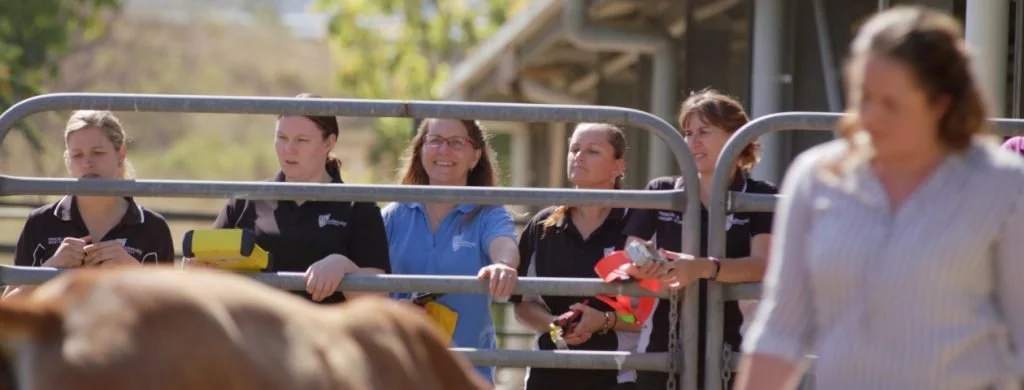
Fifteen female teachers from regional, rural and remote areas were chosen to take part in the inaugural 'Women in Agri-tech' program.
With support from leading researchers, educators and industry professionals, teachers developed an agri-tech learning module aligned to the STEM and digital technologies component of the Australian Curriculum.
Benefits to participants:
Attendance at the inaugural 'Women In Agri-tech' Symposium in Brisbane. All travel and accommodation costs were covered.
$1500 to support the development of their agri-tech learning module
Improved knowledge of the latest agri-tech tools and systems
Increased skills in developing online learning materials using industry tools
Access to support and mentoring from leading researchers, educators and industry professionals in developing their agri-tech learning module.
Women in Agri-tech: Best Practice Guide for Effective Engagement Between Teachers and the Agricultural Industry
Women in Agri-tech: Best Practice Guide for Effective Engagement Between Teachers and the Agricultural Industry
New and emerging technology is an exciting and rapidly expanding part of the agricultural industry. Developing collaborative partnerships between the education and the food and fibre sector is vital to ensure the next generation workforce is not only inspired to consider further study and a career in the industry but have started to develop the skills and knowledge required.
The below best practice guidelines are designed to help form effective partnerships between industry and education, so they can develop engaging learning modules for students to build skills and knowledge in the application of current and emerging agri-tech tools and systems in the food and fibre sector. It is important to note that each partnership is unique and there is not one single model that will suit all relationships. The outcomes from the ‘Women in Agri-tech’ research identified six common areas that lay the foundation for positive teacher-industry relationships.
The guidelines are a culmination of recommendations and issues raised by both teachers and industry representatives who participated in the ‘Women in Agri-tech’ program.